Take Control of Your Health with a Comprehensive Vital Signs Log Book
In an era where proactive health management is becoming the norm rather than the exception, keeping accurate records of your physiological data is more important than ever. Whether you are managing a chronic condition like hypertension or diabetes, monitoring recovery after surgery, or simply maintaining a baseline for your general wellness, consistency is key. This is where a dedicated Vital Signs Log Book becomes an indispensable tool in your healthcare arsenal. It transforms scattered notes and forgotten readings into a coherent, actionable health history that you can share with your medical providers.
A Vital Signs Log Book is not just a notebook; it is an organized system designed for individuals looking to conveniently maintain and monitor their health at home. By providing a structured format for recording daily blood pressure readings, pulse data, and other critical metrics, it eliminates the guesswork and stress associated with health tracking. Instead of relying on memory or disjointed scraps of paper, you have a centralized repository for your most important health indicators.
Why Tracking Vital Signs Matters
Health is dynamic. Your body’s status changes throughout the day based on activity levels, stress, diet, and medication. A single reading taken at a doctor’s office provides only a snapshot, often influenced by "white coat syndrome" or temporary environmental factors. In contrast, longitudinal data collected over weeks or months reveals patterns and trends that are crucial for accurate diagnosis and treatment adjustments.
When you use a Vital Signs Log Book, you empower yourself with data. For patients with high blood pressure, seeing the correlation between lifestyle changes and systolic/diastolic numbers can be incredibly motivating. For those managing diabetes, tracking blood sugar alongside meal times and insulin doses helps identify triggers for spikes or drops. This level of detail allows healthcare professionals to make informed decisions, potentially reducing the need for frequent office visits and enabling more personalized care plans.
Essential Metrics to Monitor
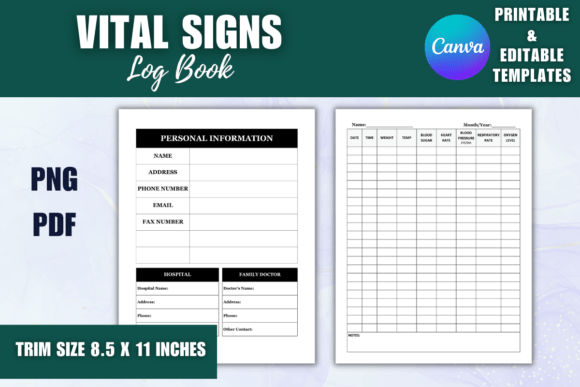
A high-quality log book covers all the bases. The interior of a comprehensive Vital Signs Log Book is designed to capture a holistic view of your physiological state. Here are the key data points you should be recording:
- Date and Time: Context is everything. Recording when a measurement was taken helps identify circadian rhythms in your health, such as morning hypertension or nighttime hypoglycemia.
- Blood Pressure (Systolic and Diastolic): These two numbers are critical for cardiovascular health. Tracking them separately allows you to monitor both the pressure in your arteries when your heart beats and when it rests.
- Heart Rate and Pulse: While often used interchangeably, noting your pulse rate helps assess cardiac efficiency and fitness levels. Resting heart rate trends can indicate improvements in cardiovascular health or signal potential issues.
- Blood Sugar: For diabetics or pre-diabetics, this is non-negotiable. Logging glucose levels helps manage diet and medication effectively.
- Temperature: Useful for detecting infections, monitoring ovulation cycles, or tracking recovery from illness.
- Weight: Sudden changes in weight can be indicative of fluid retention, metabolic shifts, or other underlying conditions.
- Respiratory Breathing Rate: Often overlooked, breathing rate is a vital indicator of respiratory health and overall stress levels.
- Oxygen Level (SpO2): With the rise of affordable pulse oximeters, tracking oxygen saturation has become easier and more relevant, especially for those with respiratory conditions.
- Notes: A dedicated space for observations is invaluable. Did you just exercise? Were you stressed? Did you miss a dose of medication? These contextual notes help explain anomalies in the data.
The Flexibility of Digital Templates
One of the most significant advantages of modern health tracking tools is flexibility. The Vital Signs Log Book described here offers a unique hybrid approach that combines the tactile satisfaction of paper with the customization power of digital design. When you acquire this resource, you aren't just getting a static PDF; you are receiving a versatile toolkit.
You will receive three distinct files to ensure you have exactly what you need for your workflow:
- A PDF File containing a Canva template link: This is the gateway to full customization. It allows you to edit the design to suit your personal preferences or branding needs if you are a healthcare provider creating materials for patients.
- A PDF File containing ready-to-print templates: If you prefer simplicity, this file is ready to go. You can print it immediately without any editing.
- A folder of 11 PNG Files in 8.5 x 11 inches: These high-resolution images are perfect for digital planning apps or for users who want to insert the pages into existing digital documents.
How It Works: A Step-by-Step Guide
Getting started with your customizable Vital Signs Log Book is straightforward and user-friendly. The process is designed to be accessible even if you have limited experience with graphic design software. Here is how you can set up your personalized health tracker:
- Download your file after purchase: Once the transaction is complete, you will have immediate access to your digital assets.
- Click the link provided in the PDF: This link directs you to the Canva platform, where the template is hosted.
- Create a free account with Canva or log in to your existing one: Canva is a widely used, intuitive design platform that requires no prior design experience.
- Edit the template: This is where the magic happens. You can change colors to match your aesthetic, adjust fonts for better readability, resize elements, or even add your own logo or specific instructions. This level of customization ensures the log book feels personal and engaging, which increases the likelihood of consistent use.
- Download as PNG or PDF: Once you are satisfied with your design, export the file in your preferred format. PDF is generally best for printing, while PNG is ideal for digital use.
- Print at home or by using a printing service: You can print the pages on your home printer for immediate use, or take the file to a professional printing service for higher-quality binding and paper stock.
Note: The color of the template is determined by the printer used. Home printers may vary in color accuracy compared to professional services, so it is always a good idea to print a test page first.
Integrating Health Tracking into Daily Life
The biggest challenge in health monitoring is not the act of measuring, but the habit of recording. A well-designed Vital Signs Log Book reduces friction in this process. By having a dedicated, easy-to-read layout, you spend less time figuring out where to write information and more time focusing on your health.
Consider placing your log book next to your blood pressure monitor or glucose meter. This visual cue serves as a reminder to record your data immediately after taking measurements. Over time, this becomes a seamless part of your morning or evening routine. The act of writing down your numbers can also serve as a mindfulness practice, encouraging you to reflect on how you feel physically and emotionally on that day.
For caregivers, this tool is equally valuable. Managing the health of an elderly parent or a child with chronic conditions involves coordinating multiple medications and appointments. A centralized log book ensures that no detail is missed during doctor visits. It provides a clear narrative of the patient’s health journey, facilitating better communication between family members and healthcare teams.
Choosing the Right Format for Your Needs
While there are many apps available for health tracking, many users still prefer physical logs. Paper records do not require batteries, software updates, or internet connectivity. They are immune to data breaches and offer a tangible sense of progress as you fill page after page. However, the ability to customize your log book via Canva bridges the gap between traditional paper tracking and modern digital convenience.
If you are a healthcare professional, offering a customizable Vital Signs Log Book to your patients can enhance compliance. Patients are more likely to engage with materials that feel tailored to them. You can brand the log book with your clinic’s information, adding specific instructions or educational tips relevant to your patient population.
Ultimately, the goal is to make health monitoring sustainable. Whether you choose to print a simple black-and-white version for everyday use or a colorful, branded edition for a special project, the core value remains the same: accurate, organized, and accessible health data. By investing in a structured way to track your vitals, you are investing in your long-term well-being and peace of mind.
Remember, consistency is more important than perfection. Even if you miss a day, the structure of the Vital Signs Log Book makes it easy to pick up where you left off. Start today, and take the first step toward a more informed and empowered approach to your health.