Transforming Nutrition into Visual Appeal with Professional Templates
In the modern culinary landscape, the adage "we eat with our eyes first" has never been more relevant. Whether you are a nutritionist designing meal plans, a chef curating a menu, or a wellness influencer sharing recipes on social media, the visual presentation of food plays a pivotal role in engagement and perception. A Colorful Healthy Food Presentation does more than just display ingredients; it communicates vitality, freshness, and care. However, creating high-impact visual content from scratch can be time-consuming and technically demanding. This is where specialized, editable design resources become indispensable tools for professionals and enthusiasts alike.
The Psychology of Color in Healthy Eating
Before diving into the technical aspects of design, it is crucial to understand why color matters so much in the context of health and nutrition. Human brains are wired to respond to vibrant hues. In nature, bright colors often signal ripeness, nutrient density, and safety. When we see a plate filled with deep greens, vivid reds, and bright oranges, our subconscious associates these visuals with energy and well-being. Conversely, muted or monochromatic palettes can sometimes be perceived as bland or unappetizing, even if the food itself is nutritious.
A well-designed presentation leverages this psychological trigger. By strategically arranging colorful fruits, vegetables, lean proteins, and whole grains, you create a narrative of health that is instantly understandable. This is not merely about aesthetics; it is about effective communication. For dietitians and health coaches, using a Colorful Healthy Food Presentation template allows them to visually reinforce their advice, making healthy eating appear accessible, exciting, and desirable rather than restrictive or boring.
Streamlining Workflow with Editable PowerPoint Templates
Creating professional-grade slides or digital assets typically requires advanced graphic design skills and expensive software. However, the democratization of design tools has changed this dynamic. High-quality, fully editable templates designed for Microsoft PowerPoint offer a practical solution for those who need stunning visuals without the steep learning curve. These templates are engineered to be user-friendly, allowing individuals to focus on their content rather than struggling with layout mechanics.
The core advantage of such templates lies in their flexibility. With features like easy drag-and-drop functionality, users can swap out placeholder images with their own photography in seconds. This ease of use ensures that even those with minimal technical expertise can produce polished, professional results. The ability to resize and edit all graphics means that the template adapts to your specific needs, whether you are highlighting a single superfood or comparing multiple meal options side-by-side.
Technical Specifications and Compatibility
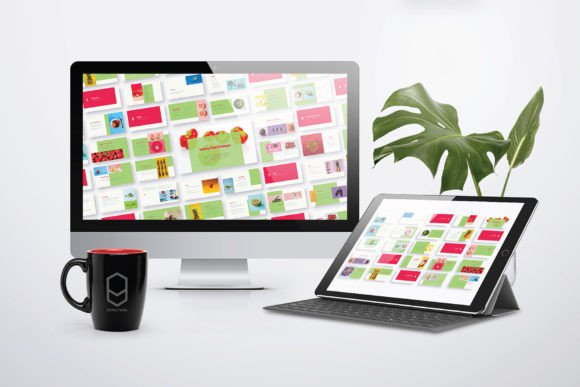
When selecting a design resource, technical specifications are paramount to ensuring the final output meets your distribution channels' requirements. A premium template typically offers a standard Aspect Ratio of 16:9, which is the universal standard for modern widescreen displays, laptops, and most social media video formats. With dimensions of 1920 x 1080 pixels (or approximately 34 x 19 cm in landscape orientation), these files provide high-resolution clarity suitable for both digital projection and print.
The inclusion of 50 editable pages provides a comprehensive library of layouts. This variety ensures that you will not repeat the same design structure repeatedly, keeping your audience engaged through visual diversity. From title slides and ingredient lists to detailed nutritional breakdowns and quote pages, a robust template covers every conceivable scenario you might encounter in a professional presentation.
Customization and Creative Freedom
One of the most significant concerns for users adopting pre-made templates is the fear of generic-looking results. To combat this, top-tier templates prioritize extensive customizability. Every element, from text boxes to shape vectors, is designed to be fully editable. You can change colors to match your brand identity, adjust fonts to suit your tone, and rearrange components to fit your narrative flow.
It is important to note that while the template structure is provided, the specific photographic content used in demo previews is often not included in the download. This is a standard practice in the design industry, as stock photography licenses vary. However, this limitation is also an opportunity. By inserting your own high-quality images, you ensure authenticity. If you are a restaurant owner, you want to show your actual dishes, not generic stock photos. The template’s framework supports your unique content, enhancing its impact rather than overshadowing it.
Furthermore, the use of free fonts is a critical feature. Many designers embed proprietary fonts that require purchase, creating hidden costs and compatibility issues for the end-user. By utilizing freely available typography, the template ensures that your design looks exactly as intended on any computer, without the need for additional installations or licensing fees. This attention to detail reflects a user-centric approach, removing friction from the creative process.
Practical Applications Across Industries
The versatility of a Colorful Healthy Food Presentation template extends far beyond simple slide decks. Its applications are diverse, catering to various professional and personal projects:
- Nutrition Counseling: Dietitians can use these slides to educate clients about portion control, macronutrient balance, and the benefits of specific food groups. Visual aids help clarify complex nutritional concepts, making them easier for clients to remember and implement.
- Culinary Education: Cooking schools and chefs can utilize the layouts to present recipes, cooking techniques, and plating guides. The clear, organized structure helps students follow along and understand the step-by-step processes involved in preparing healthy meals.
- Corporate Wellness Programs: Companies aiming to improve employee health can use these presentations for workshops, cafeteria menu introductions, or wellness challenges. The engaging visuals help capture employee interest and promote participation in health initiatives.
- Social Media Content: Influencers and bloggers can repurpose the 16:9 slides for YouTube thumbnails, blog headers, or Instagram carousel posts. The high resolution ensures that images remain crisp and professional across all platforms.
Enhancing Engagement Through Visual Storytelling
In an era of information overload, capturing and retaining attention is challenging. A static block of text is rarely enough to convey the excitement of healthy living. By integrating vibrant imagery with concise, impactful text, you create a visual story. For instance, instead of simply listing the benefits of antioxidants, a slide featuring a colorful array of berries, leafy greens, and nuts immediately conveys the message. The visual cue reinforces the textual information, leading to better retention and understanding.
The "drag-and-drop" feature facilitates rapid iteration. If you find that a particular layout isn’t working for your content, you can quickly switch to another of the 50 available pages. This agility allows for real-time refinement during the design process, ensuring that the final product is both aesthetically pleasing and functionally effective. Help files included with such templates further guide users through customization options, ensuring that even beginners can achieve professional results.
Considerations for Effective Design
While templates provide a strong foundation, effective design still requires thoughtful execution. Here are some best practices to keep in mind when using your Colorful Healthy Food Presentation resource:
- Consistency is Key: Although there are many layouts, maintain a consistent color palette and font hierarchy throughout your presentation. This creates a cohesive look that reinforces your brand or message.
- Quality Imagery: Since the template relies heavily on visuals, ensure that the photos you insert are high-resolution and well-lit. Poor-quality images can detract from the professional appearance of the slide deck.
- Less is More: Avoid cluttering slides with too much text. Let the colorful food images speak for themselves, using bullet points for key takeaways rather than long paragraphs.
- Contrast and Readability: Ensure that text stands out against the background. If using busy food images, consider using semi-transparent shapes or overlays to improve text legibility.
Ultimately, the goal is to make healthy eating look as appealing as it is beneficial. By leveraging a tool that combines aesthetic appeal with functional ease, you empower yourself to communicate more effectively. Whether you are educating a client, pitching a new menu, or sharing your passion for wellness online, a well-crafted presentation can make all the difference. The combination of vibrant visuals, editable flexibility, and user-friendly design principles ensures that your message is not only heard but seen and remembered.
Investing in a high-quality, editable template is an investment in your professional image. It saves time, reduces stress, and elevates the quality of your output. As the demand for health-conscious content continues to grow, having the right tools to present this information beautifully will set you apart in a crowded digital landscape. Embrace the power of visual storytelling, and let your content shine with the vibrancy it deserves.